
Trend Analysis
May 19, 2026
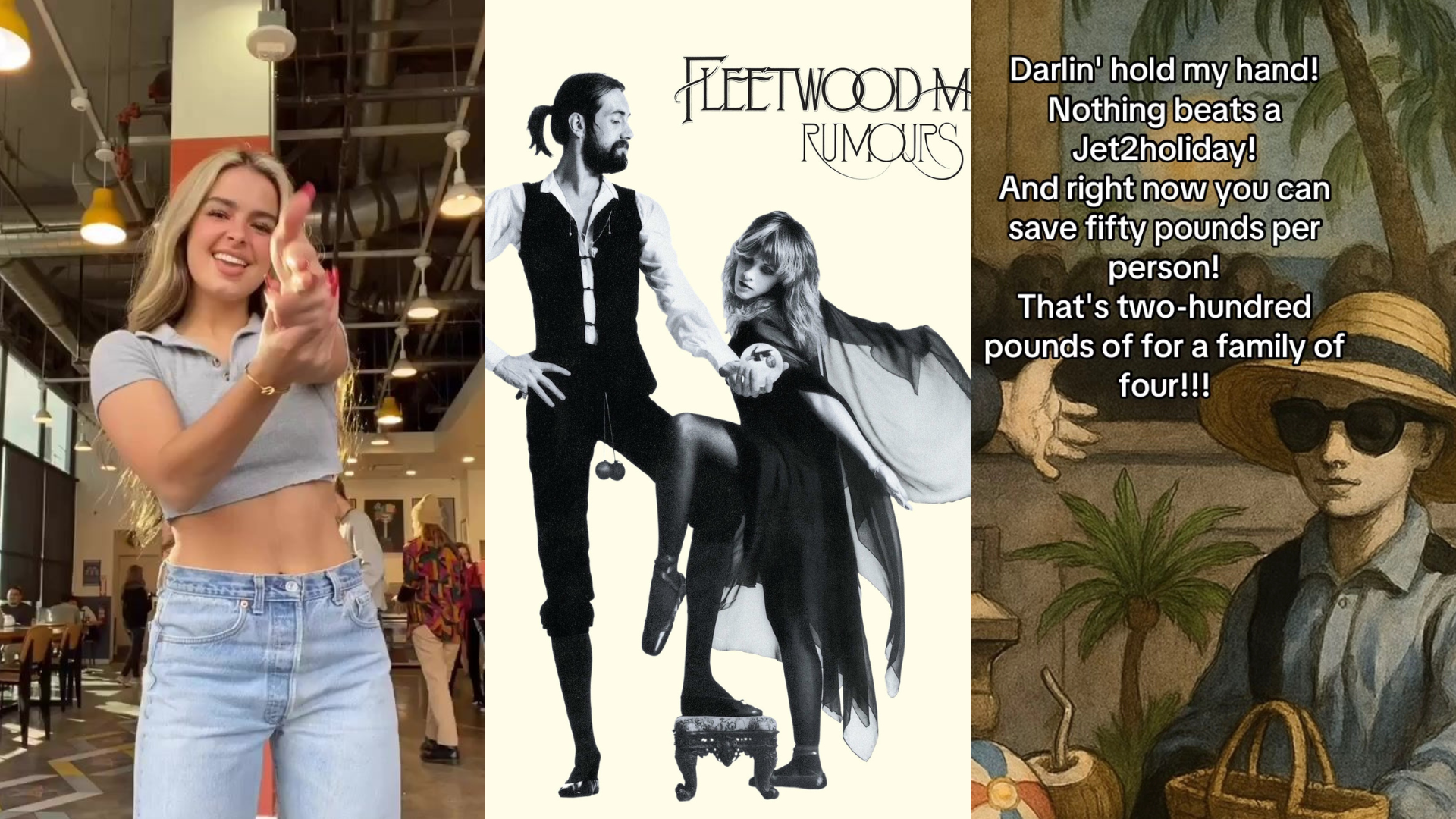
Artwork design by Megan Hall, using images from @addisonre via TikTok, fleetwoodmacofficial.com, and @no_name8945 via TikTok
2 billion of us are active on TikTok, equating to approximately a quarter of the world’s population. A social media platform so deeply embedded in our everyday lives inevitably shapes our culture, including the ways we discover and consume music.
We’ve all heard of TikTok (and most of us have it downloaded!). But here’s a brief overview for those who’ve been living under a rock. It’s a short-form video platform centred around fast-paced consumption, aided by its immersive, full-screen format. Engagement is key to a video becoming successful on the app, and many open with a hook that draws our attention by interrupting the pattern of our feeds. The app’s algorithm favors sound-driven content, boosting certain audios on the For You Page, which distributes these videos to more users. Because of this, the platform has been transformative for the music industry, as songs are easily able to gain popularity on the app.
Cast your minds back to the days when Charli D’Amelio was renegading on our screens, and we didn’t yet know that Addison Rae would be a musical icon. In the app’s earlier days, dance trends were blowing up on TikTok and spreading songs across the world. Millions of users were replicating choreography to the sound of memorable choruses and lyrics. These highly visual contributions helped boost artists like Doja Cat, Lil Nas X, Olivia Rodrigo and Megan Thee Stallion off our For You Pages and into mainstream music.
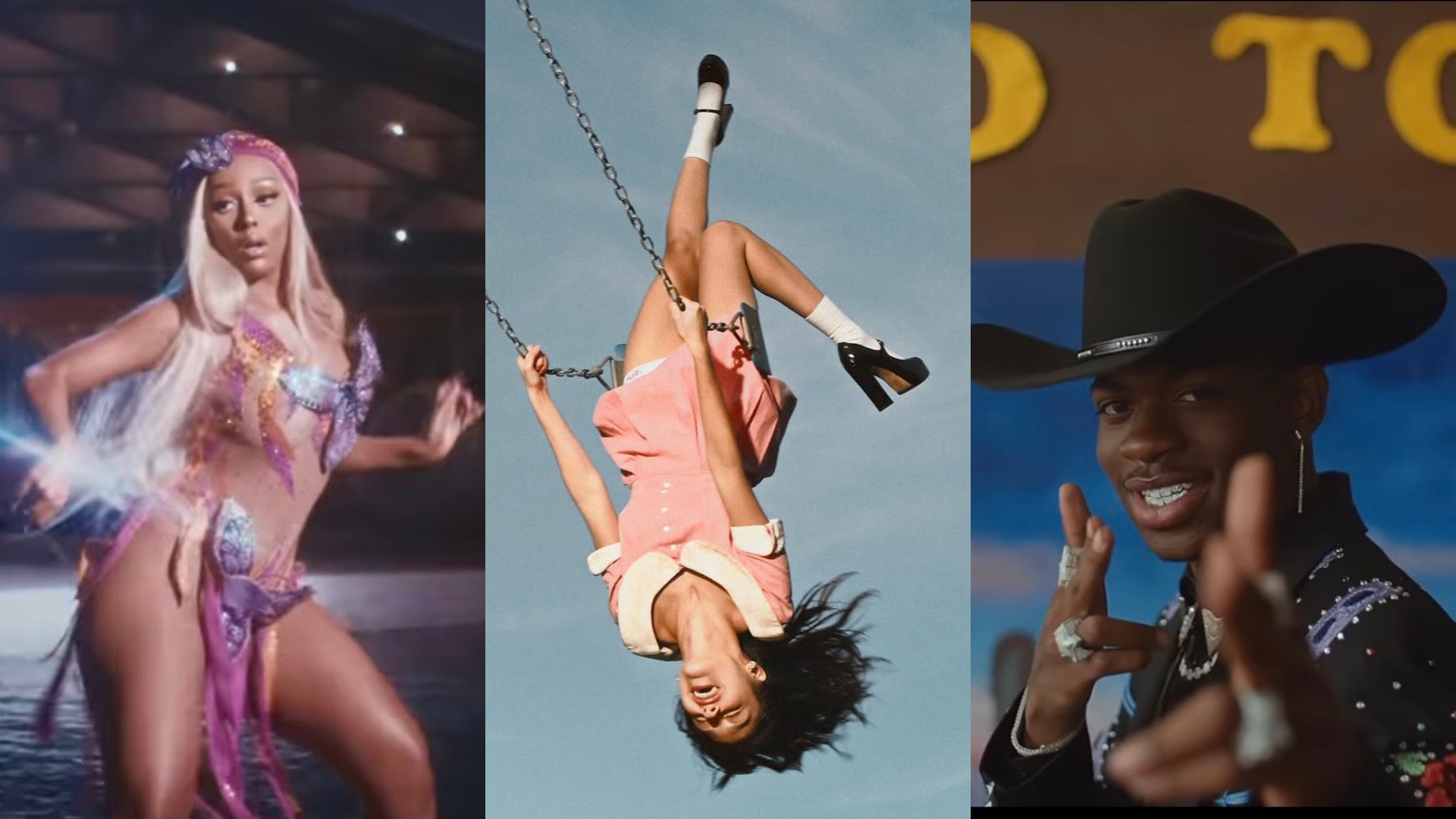
Sound is foundational to the app, and often a central theme of videos. But TikTok’s highly visual format also means that music becomes more than just audio; it’s accompanied by dancing, lip-sinking, storytelling, outfit-of-the-days, edits and glimpses into people’s real-life experiences.
Before TikTok, visuals associated with a song would typically come from artist performances and produced music videos. Musicians were able to construct the visuals around their songs and build their own aesthetic associations. However, TikTok shifts visual ownership of music onto its users. This is believed to have caused the noticeable decline in the cultural value of high-budget music videos, with many people now questioning their relevance. Personally, I love music videos and think they remain iconic (Sabrina Carpenter’s cinematic Short n’ Sweet music videos are unmatched).
But I will say, TikTok has undoubtedly shifted musicians’ control over the aesthetics of their music. Artists like Sabrina can still release popular, polished videos to accompany their songs, but user-generated content on TikTok continues to influence the way her music is perceived. For example, Sabrina’s music video of Manchild is an iconic masterpiece, sitting at 176M YouTube views. And the viral dance trend to Manchild on TikTok will forever be stuck in my head, with many of the 2.1M videos posted to the tune featuring the choreography (even Sabrina herself participated in the trend!). Both forms of content heavily shape audiences' perceptions of the hit song, reinforcing the undeniable impact that TikTok has on the visual identity and resonance of music.
TikTok has also transformed the way we discover music. Our attention spans are becoming increasingly fragmented (guilty!), and TikTok greatly feeds into this. A video has to capture our attention in a matter of moments to avoid being scrolled past and forgotten about; the average attention span is believed to be just 1.7 seconds per video! The virality of a song is majorly dependent on whether it's engaging and how effectively it draws users in. Is it catchy? Is there a hook? Does it trigger an emotional response? Or does it make us want to dance, laugh or engage in some way?
Before the rise of social media, music discovery followed a more traditional, slower path (I had to ask my mum to verify this next bit). Radio DJs, TV performances, music channels, record shops, magazines and word-of-mouth recommendations introduced new artists and songs. These platforms had a massive influence on which songs reached mainstream audiences. This meant exposure was highly curated and deliberate.
Today’s algorithm-driven experience happens at a much faster pace, and the discovery of new artists often falls into our feeds. Our For You Pages have replaced those influential figures who selected which music surfaced to audiences; musical success isn’t solely dependent on industry backing anymore. Increasingly, a song’s success depends on whether it resonates quickly with users, and — if it does — it gets picked up and amplified by the platform’s algorithm.
75% of TikTok users discover new songs on the app. The traditional pop star trajectory has been disrupted by algorithm-based discoveries. TikTok is propelling new artists into the mainstream, making the music industry feel more accessible than ever!
A variety of genres have been pushed onto my For You Page, making TikTok a place for exciting, genre-blended musical discovery. Alongside breakout musicians and pop icons, the platform is also reviving forgotten songs. Looking through my Spotify playlists, I have TikTok to thank for introducing me to hits from before my time, and reigniting my love for newer songs that had faded into the background of my listening habits.
Jess Glynne takes the crown for one of the most popular musical resurgences on TikTok. Back in 2015, her record ‘Hold My Hand’ debuted at number 1 on the UK charts and was shortlisted for the Song of the Year at the BBC 2015 Music Awards. The iconic track remained popular for a while before slowly losing traction and dropping off in favor of other hits…
But the story isn’t done yet. Jet2Holidays used ‘Hold My Hand’ in an advert in 2022, alongside a voiceover of their slogan: ‘Nothing beats a Jet2Holiday’. The audio quickly became a viral sensation on TikTok, with users ironically pairing the sound to chaotic holiday moments, contrasting with the upbeat tone of the song. With over 80 billion TikTok views to date, the resurgence of ‘Hold My Hand’ made the song achieve the title of the UK’s TikTok Song of the Year in 2025 (10 years after its initial success!).
In her own TikTok video, Jess Glynne explained how grateful she was to have won the award, noting that seeing the song’s rebirth with a new generation and a new time is amazing. Jess’ experience encapsulates TikTok’s ability to shape our musicscape and reintroduce old hits into the mainstream. Let this also be a reminder of the powerful cultural force of the meme.
‘Hold My Hand’ embodies the concept of TikTok reacquainting us with old favourites. Other older tracks become re-popularised by other forms of media, like film and television (Kate Bush’s ‘Running Up That Hill’, Fleetwood Mac’s ‘Dreams’, Sophie Ellis-Bextor’s ‘Murder On The Dancefloor’); but TikTok edits and trends help propel these resurging songs back into the mainstream. These songs were already familiar to many, but, for the 60% of TikTok users aged under 30, viral videos and nostalgic edits were likely their first interaction with these classic hits. Impressively, the platform bridges generational gaps in music and redefines the cultural significance of previous artists and their music.
TikTok continues to redefine musical culture in various ways, and the relationship between artists and audiences is ever-changing. Music has become more of an interactive, visual experience that is deeply shaped by social media culture — especially TikTok. In fact, 84% of songs that entered the Billboard Global 200 in 2024 went viral on TikTok first, reinforcing the platform’s role as a key driver of global music success. TikTok’s rapidly growing influence over the mainstream can feel daunting, but its ability to distribute the music of unknown artists globally offers unprecedented opportunities, giving anyone the chance to achieve musical success.
If you enjoyed this article, sign up for our newsletter and follow us on Instagram and LinkedIn to stay up to date with Gen Admission 🎶


