
Trend Analysis
.png)
July 5, 2026
.png)
Zara Larsson by Robin Boe
Earlier this month, I went to see boyband of the year 5 Seconds of Summer at their sold-out night at Madison Square Garden, with support from The Band Camino. A fantastic booking on paper; musically coherent, stylistically aligned, and very clearly intentional. And yet, the room behaved as if the performance was happening in a separate lower-priority timeline.
People were still finding their seats. Conversations continued at full volume. Phones stayed out, not pointed at the stage but used as a distraction until the ‘real show’ started. The message from the audience wasn’t hostility, it was indifference. A shared assumption that this part of the night was optional.
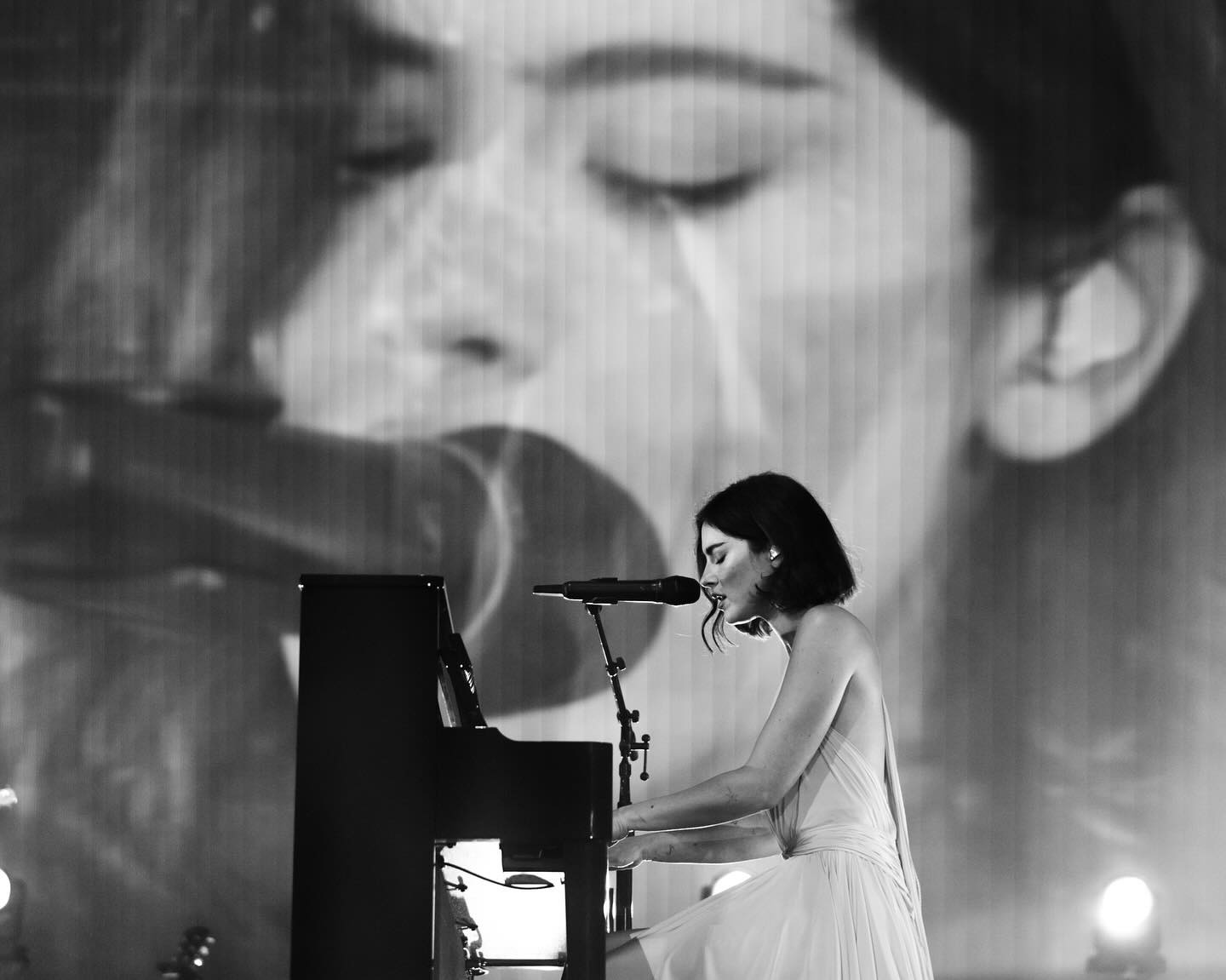
Last year, I saw a similar dynamic play out when Syd opened for Renee Rapp. Syd is not an afterthought in any artistic sense. She is a long-running, established artist with a dedicated fanbase. But, in the logic of the arena that night, she functioned as a prelude rather than a performance. People were physically present, but mentally elsewhere.
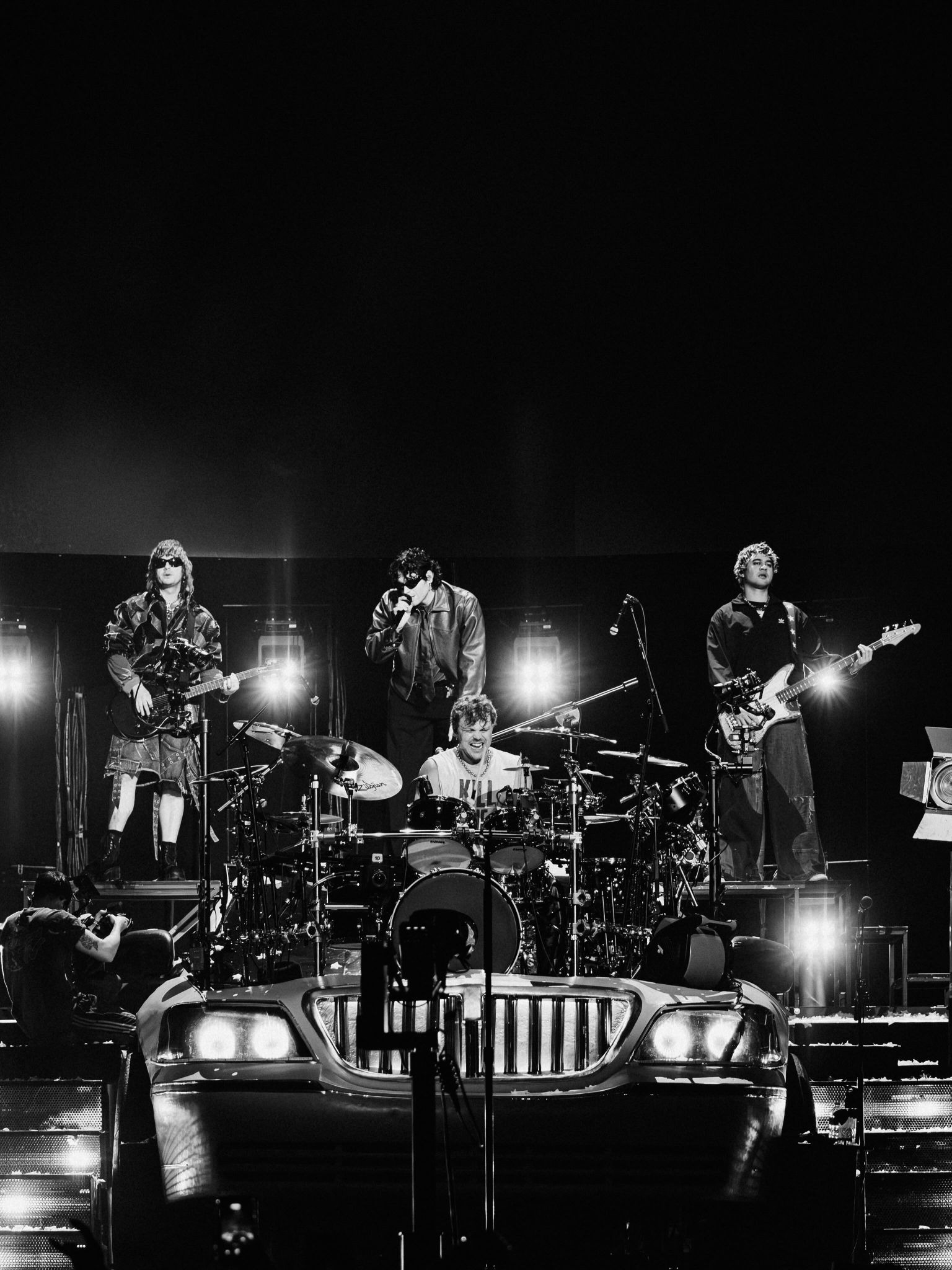
This is the part of live music culture we rarely examine closely: we’ve developed an unspoken hierarchy of attention. Headliners receive full presence. Openers receive partial, at best.
Supporting acts are not random add-ons. They are typically selected by the headliner or their team with intent based on sonic compatibility, shared audience demographics, or genuine artistic admiration. They are part of the curatorial logic of the show - the pre-show playlist, the pacing between sets, even the emotional arc of the night all exist on a continuum that includes them. Yet, audience behaviour often treats that continuity as if it doesn’t exist.
What both of those shows made clear is that concert culture has quietly normalised a strange contradiction - we claim to value live music, we hate (understandably) the exorbitant prices we pay for these experiences, but we routinely ignore part of the performance we paid for. Supporting acts are built into the price, and the artistic vision of a tour, yet they are dismissed as background noise until the main event arrives.
This behaviour didn’t come out of nowhere. It makes a lot more sense when you zoom out and look at how people now consume music rather than experience it.
We’ve been trained over the last decade to treat music as something modular. Streaming platforms flattened listening into playlists, algorithmic queues, and “liked songs” rather than albums or full artistic arcs. TikTok accelerated that even further, turning songs into highlight reels, sped-up choruses, and instantly recognisable moments that exist outside their original context. The result is a listening culture built around extraction. We don’t necessarily engage with music from start to finish anymore; we arrive knowing what is supposed to matter.
At concerts, that same attention span shows up in physical form. Audiences arrive late because the urgency is tied to the headliner. They talk through sets because attention is now something we allocate selectively, not continuously. Layered on top of that is fandom culture, which has quietly reshaped what people think they’re attending. For many, a concert isn’t a showcase of multiple artists but an endpoint. The goal is access to one person, one setlist, one identity, and everything else becomes procedural. In that framework, the supporting act isn’t just less important but also conceptually unnecessary.
Pricing complicates things in a different way. Concert tickets are expensive enough that audiences increasingly approach shows with a sense of entitlement to specificity - I paid for this artist, this experience, this moment. That logic makes emotional sense, but it flattens the reality of what the ticket actually buys.
As someone working in the industry, I’ve seen firsthand how often artists, especially those with growing platforms or established touring teams, actively seek out artists they’re fans of to bring on the road with them, or are directly approached by rising acts hoping for that same opportunity. These decisions aren’t random, and rarely logistical. They’re sometimes even collaborative in spirit. A headliner might bring out a supporting act because they genuinely love their music, or because they see a shared audience, or because they want to use their platform to introduce someone they believe in. On the other side, opening slots are often treated by emerging artists as one of the most valuable ways to build a real fanbase through proximity and performance.
If there’s one part of live music culture we still underrate, it's the opening act. We rarely discover music through chance anymore, except when you walk into a concert early enough. The opening act is one of the last remaining spaces where music still finds you before you search for it.
And history is full of artists who passed through that exact doorway.
There’s also something almost unintentionally revealing in how often fans now retrospectively rewrite these moments. Old clips resurface with captions like “imagine seeing them before they blew up”, as if the opening set was only meaningful in hindsight once success had already been confirmed. Even the internet’s memory of these moments reinforces the same hierarchy this piece is questioning: the opener matters most when they stop being the opener.
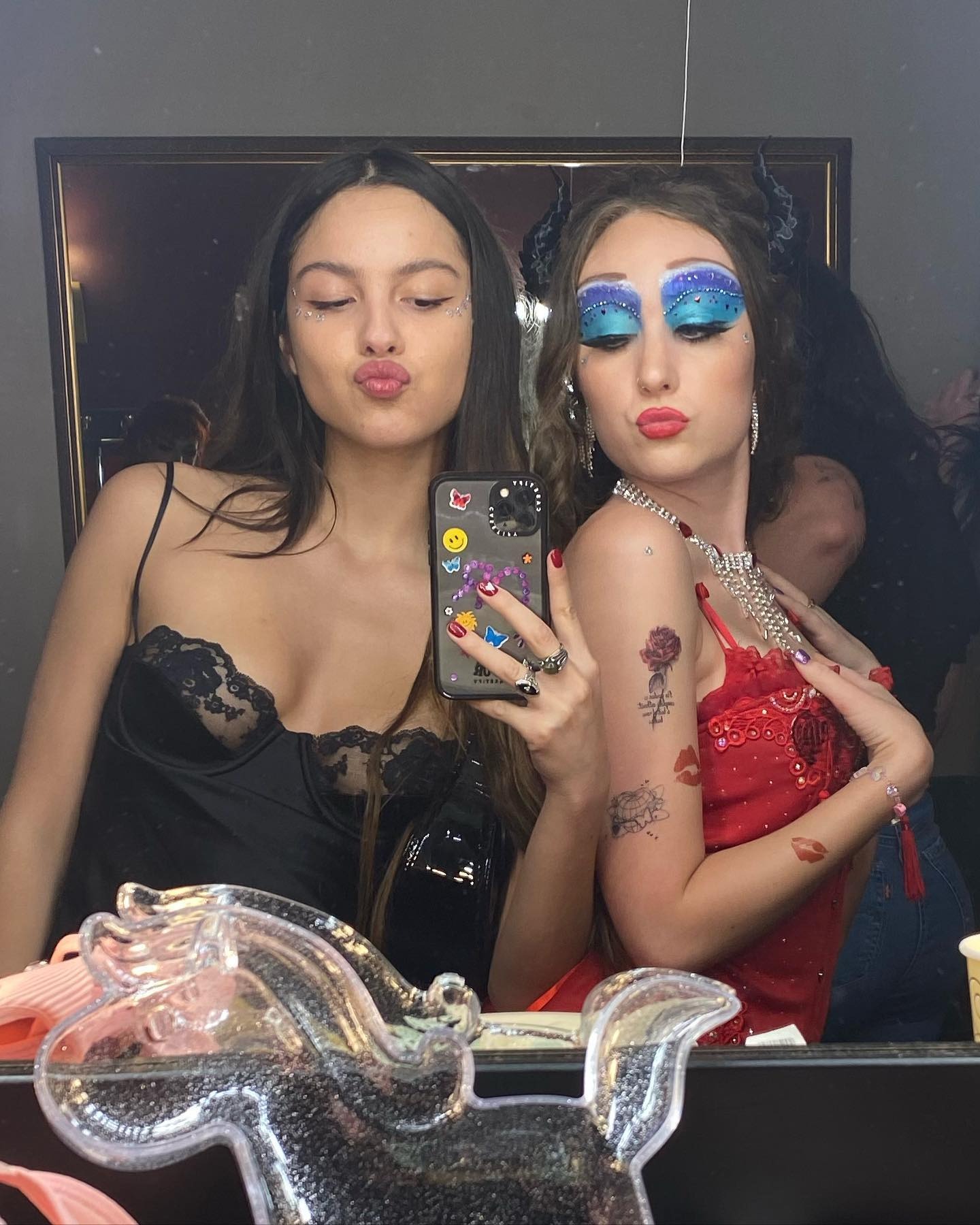
That hierarchy isn’t just retrospective, it also plays out in real time. The most coveted opening acts today are often the ones who have already “broken out” online. When Chappell Roan blew up while on tour with Olivia Rodrigo, or when Zara Larsson became the internet’s pop princess on the road with Tate McRae, the conversation quickly shifted from “who’s opening?” to “you’re basically getting two headliners for the price of one”. Entire tours become rebranded online around the strength of the support slot, because the internet has already validated the opener.
The irony is that this enthusiasm proves audiences do care about supporting acts. Just not in the way we like to think. We celebrate them once they have accumulated enough streams, enough viral clips, or enough cultural momentum to feel like a “good deal.” Their value becomes tied to how famous they already are, rather than what opening slots have traditionally offered: the chance to discover someone before everyone else does.
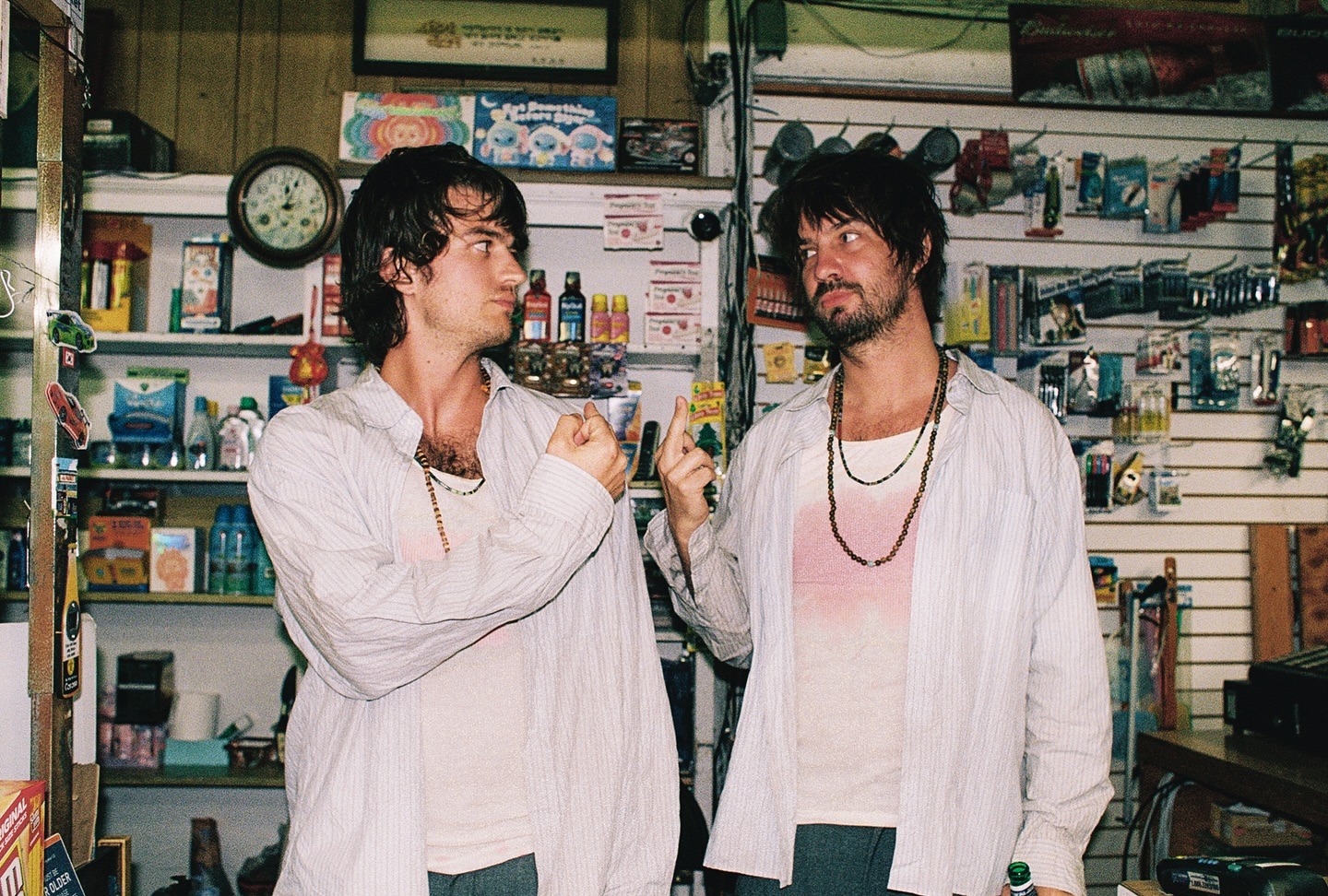
The inverse happens too. When Gracie Abrams announced different supporting artists for her UK dates after touring with names like Djo and Role Model in North America, parts of the conversation online became less about the artists themselves and more about whether fans were getting “less value”. The expectation wasn’t simply for an opener, but for one who had already achieved a certain level of cultural cachet. Somewhere along the way, we stopped expecting opening acts to introduce us to someone new, and started expecting them to confirm what we already knew.
This isn’t a piece about bad concert etiquette, and it isn’t really a blame game. It’s a question of how we’ve come to treat parts of live music as optional in the first place, and what we miss when we do. Because opening acts are not filler, and they’re not waiting rooms for the main event. They are artists stepping onto a stage every night in front of crowds who, at least on paper, didn’t come for them, and are still trying to win those rooms anyway. Attention is what allows discovery to happen!
And that’s why they matter more. Because every so often, someone does slip through that gap, the opener stops being an opener and becomes a name you can’t imagine not knowing.
If you enjoyed this article, sign up for our newsletter and follow us on Instagram and LinkedIn to stay up to date with Gen Admission 🎶


