Trend Analysis
April 14, 2026

Image by Lauren Pine
In early November 2025, it was announced that Hilary Duff was making her music comeback. As a Gen Zer, I remembered her as Lizzy McGuire but never listened to her music (besides the iconic 'What Dreams Are Made Of' from The Lizzy McGuire Movie). So, when she announced her tour, I was bewildered by the fact that she was playing arenas, including The O2 in London. Would she really be able to fill a 20k capacity venue despite not having released music in over a decade, and not having any huge hits? Well, imagine my surprise when she not only sold out that date, but had added a second show at London’s iconic arena.
Duff isn’t the only Disney alumnus to be making a comeback in some way. Last month, the Hannah Montana anniversary special was announced, after months of speculation about how they would mark 20 years of the show. Fans across the globe spiraled over the announcement, while Miley Cyrus was spotted driving around Los Angeles, sporting a very Hannah-esque outfit and long blonde hair. Released on 24th March, the special garnered a staggering 6.3 million views in its first three days on Disney+.
Both Lizzy McGuire and Hannah Montana, or Hilary Duff and Miley Cyrus, were at the core of 00s pop culture, and their primary audience then was children and tweens, or Millennials and older Gen Z. So, their recent return to the mainstream elicits a similar response across both generations, satisfying our longing for an era gone-by.
Why do we always long for our childhood years, and why now?
The American Psychological Association (APA) defines nostalgia as:
It is this idea that our past is ‘better’ than our life now that makes us look back on childhood so fondly and have such an emotional attachment to the music, films and media we consumed then.
Professor and psychologist Krystine Batcho, PhD, said in a podcast produced by the APA that during significant changes in a person’s life like marriage, divorce, graduating from school or embarking on a career, “it's comforting to have a nostalgic feeling for the past”.
These are moments that typically happen during your 20s and 30s, which is precisely the age of Gen Z and Millennials today. Not only that, but we are also living in a very different society today, where we are constantly tuned in to social media and oftentimes struggle to have control over the levels of negativity or bad news that we consume. When we were children, this was not the case with less access to this content and the ability to just switch off. Therefore, choosing now to target these generations and tapping into their desire to turn back the clock and return to the simpler time of their youth is a smart marketing move.
While the monumental return of Oasis in 2024 was successful for more than just nostalgia reasons, many boybands who soundtracked the youth of millennials have been stepping back onto stages for huge reunion tours. Even though they already went on a farewell tour in 2019, Boyzone have announced a huge farewell concert to take place at London Emirates Stadium following their three-part documentary, Boyzone: No Matter What. While they haven’t quite managed to sell it out, the announcement follows a similar pattern of boybands reuniting or heading out on anniversary tours.
Last year, the full lineup of Five reunited for the first time since 2001, touring the UK in late 2025, with even more international shows announced for this year. Similarly, Blue will be touring across the UK for their 25th anniversary this year. Even JLS, who have been a lot more active over the years than the aforementioned bands, will be heading out again on their 25th anniversary tour too.
A lot of the music for these bands hasn’t really stood the test of time. It’s not quite like Backstreet Boys or NSYNC, where you still hear their songs regularly on the radio or in film and TV. These bands are very much products of their time, which is precisely why their return right now, when Millennials and some elder Gen Z long for their childhood, is so effective.
We also must give some credit to the internet. The current landscape of social media means it is an ideal time for many of these artists and bands to make their comeback, with music fans being more active across platforms than ever before. For artists who already have a fanbase, half their work in promotion is already done for them. Fans take it into their own hands to share content and promote the ongoings of their favourite artists, and with the help of a little concert FOMO, it’s not hard to sell tickets.
Now, whether these artists returning at the same time is an intentional play by themselves and their record labels can only be speculated, but the positive reaction to them is a direct result of our nostalgia.
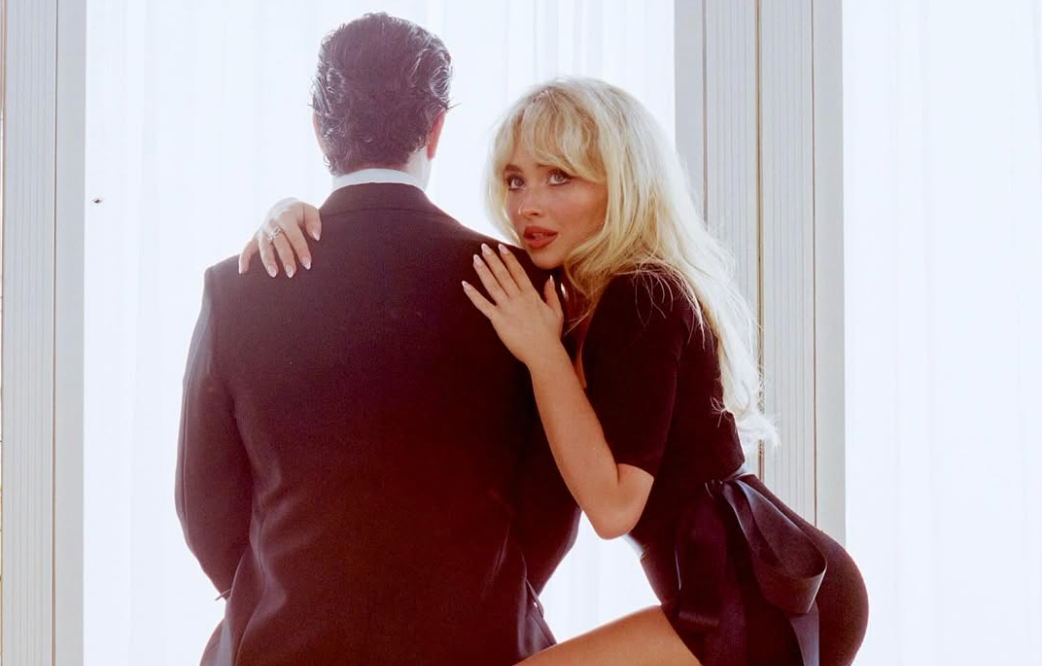
There are, however, ways in which labels and an artist’s team do use nostalgia intentionally. Many of the artists making it big right now have been emulating 90s and early 2000s imagery within their marketing and aesthetic. Take Addison Rae, whose debut album dropped last year to widespread popularity. A lot of her visuals for the record feature highly saturated photos and videos of her in bright colors or shimmering outfits - staples of fashion during the turn of the century. In the music video for 'High Fashion,' Rae is seen dancing in the rain wearing a diamond and denim look that is almost identical to the one worn by Britney Spears on her Dream Within a Dream Tour, where she just so happened to perform in the rain.
On stage, Rae frequently dons a head mic too and even performed a jazz version of 'High Fashion.' with a head mic and handheld mic just like Spears did in 2004 with '…Baby One More Time.' Rae has explained previously that when she pitched herself to Columbia Records, she walked into that meeting with no music in hand but with a mood board. It was full of the visuals we see from her today, including aquamarine as a key colour and even images of Spears’ iconic performance of 'I'm a Slave 4 U' at the 2001 MTV Video Awards. She is not just taking inspiration from Spears but actively trying to recreate that era in her branding, leaving us consumers with a feeling of nostalgia and déjà vu. The simple fact that the label took a chance on her without any music, but a clear artistic vision, shows how important a clear brand image is to music marketing nowadays.
Not Another Sequel
It is not just the music industry that is tapping into this nostalgia. Last year, we saw Freakier Friday hit the screens, a sequel to the 2003 classic. Next month, the beloved chick flick The Devil Wears Prada (2006) is getting a sequel, which has been creating quite a buzz online. There are so many others too, with a Netflix reboot of 13 Going on 30 in the works, and even the recently announced Monsters Inc. sequel.
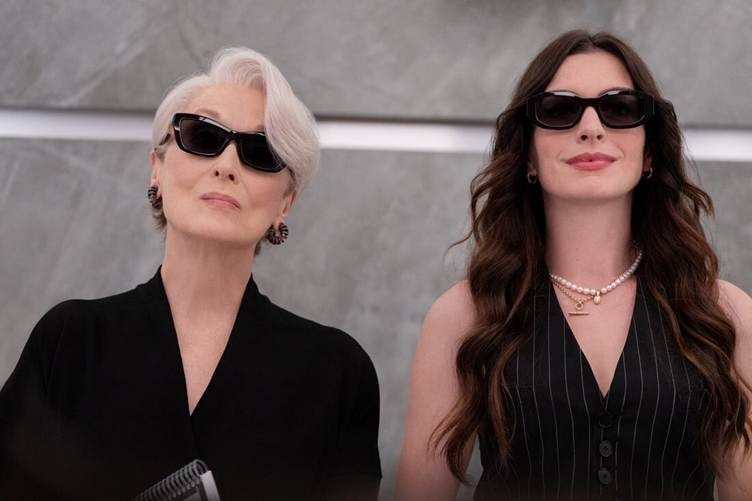
While many often criticize the industry for repeatedly rebooting and reviving old films and TV shows instead of coming up with new ideas, it is a sure-fire way to ensure an audience. With an estimated budget of $42m for Freakier Friday, and a worldwide box office gross of just over $150m, it is clear that this method works, and the big bosses aren’t quite ready to stop remaking your favourite childhood films just yet.
We’ve always known that playing on people’s emotions is key to a lot of marketing strategies. But perhaps this shows that nostalgia is the most powerful tool and almost guarantees immediate results.
If you enjoyed this article, sign up for our newsletter and follow us on Instagram and LinkedIn to stay up to date with Gen Admission 🎶