
Artist Development
.png)
June 3, 2026
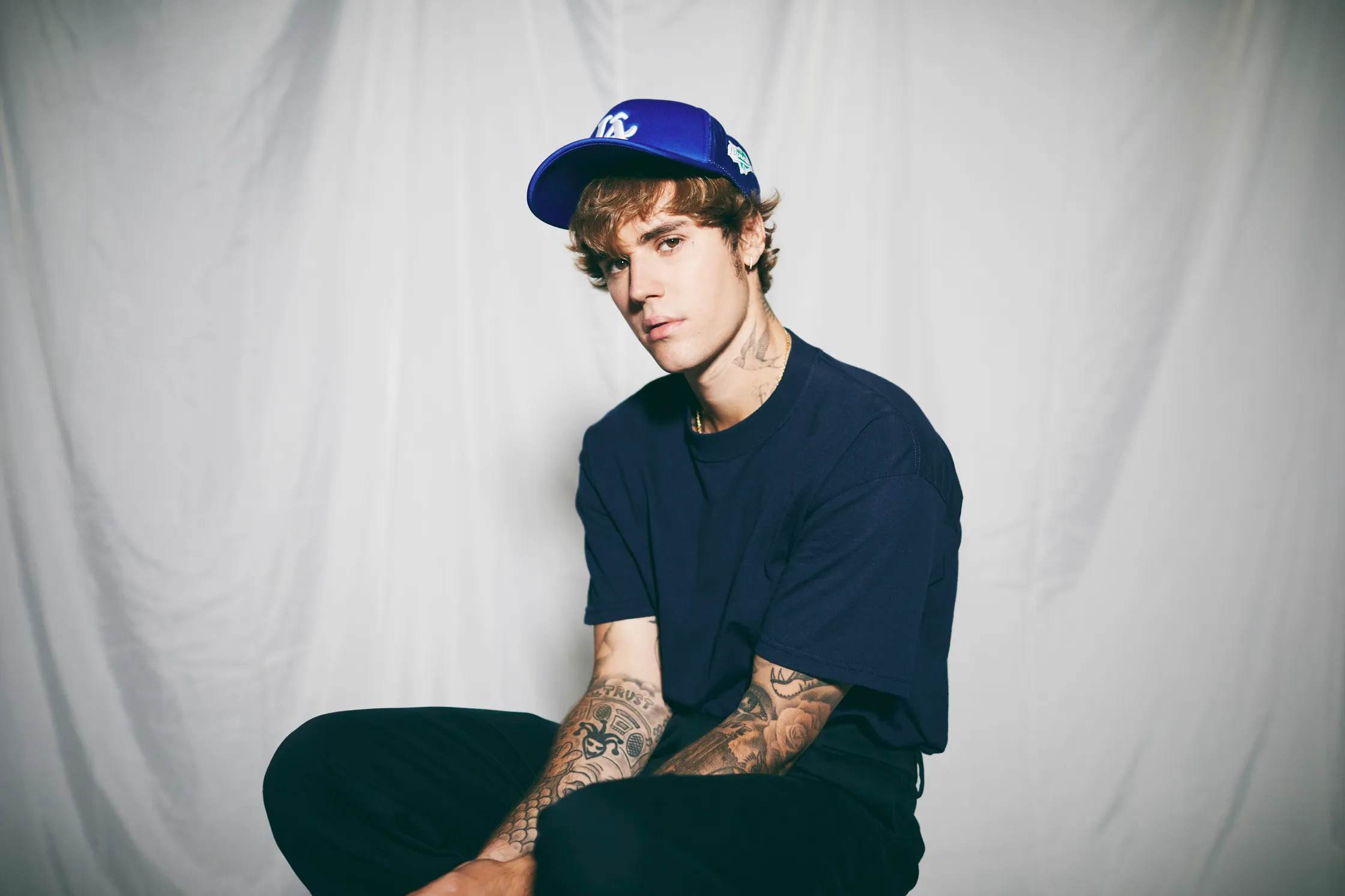
Mike Rosenthal for Vogue
Justin Bieber is not having a comeback. He is reminding you that he never left.
In the glow of “Bieberchella” earlier this year, the internet did what it always does when a legacy pop star suddenly dominates the timeline again - it reached for the language of return. Clips of Bieber performing his childhood hits ricocheted across social media. Fans dissected every moment of weekend one and weekend two. Billie Eilish, one of the most influential pop stars of a younger generation and a longtime Belieber herself, joined him onstage as his “One Less Lonely Girl” as Hailey Bieber pushed her toward the spotlight, grinning from the wings. The internet responded the only way it knows how: by declaring Justin Bieber is “back”.
But that framing says more about our need for neat celebrity arcs than it does about Bieber’s actual career. Because the truth is less dramatic and, ultimately, far more interesting. Justin Bieber has remained a permanent cultural fixture for the better part of two decades now. He has survived teen-idol dismissal, tabloid humiliation, internet memeification, public breakdowns, industry cynicism, and approximately 46 separate declarations that his career was “over.” Meanwhile, the numbers kept numbering. The streams kept streaming. And the fans kept supporting him.
To understand why Bieber Fever still exists in 2026, you have to go back to the late 2000s, when the architecture of celebrity itself was beginning to change. While the music industry was still obsessed with reality competition shows, Disney Channel pipelines, and squeaky clean radio rollouts, a 12-year-old Justin Bieber was uploading grainy YouTube covers under the name Kidrauhl. The videos were charmingly low-budget: floppy hair, hand-me-down instruments, and raw talent so obvious it practically punched through the screen.
Then in 2008, talent manager and future public enemy number one, Scooter Braun, clicked on a grainy YouTube video of a twelve-year-old Bieber covering Ne-Yo at a local talent competition. The video had not been polished for virality or optimised for engagement. It was simply a kid singing exceptionally well. Braun tracked Bieber down, eventually flying him to Atlanta to meet Usher, who would later help launch his career through Raymond Braun Media Group (RBMG).
But by the time industry executives got involved, something important had already happened - the audience had arrived first. Bieber’s videos were organically accumulating views long before labels fully understood what YouTube could become. Before Bieber, fandom mostly flowed in one direction - from celebrity to audience. But his rise felt different because fans helped build it in real time. What looked from the outside like mass hysteria was actually infrastructure.
And yes, a lot of that infrastructure was powered by teenage girls, which is why people refused to take it seriously. But dismissing Bieber Fever as a “phase” misses what was actually happening. This wasn’t just a fleeting crush. The relationship between artist and audience was immediate, unfiltered, and participatory in a way pop music had never really seen before. The screaming girls outside radio shows, daytime interviews, and arenas were early adopters of the craze.
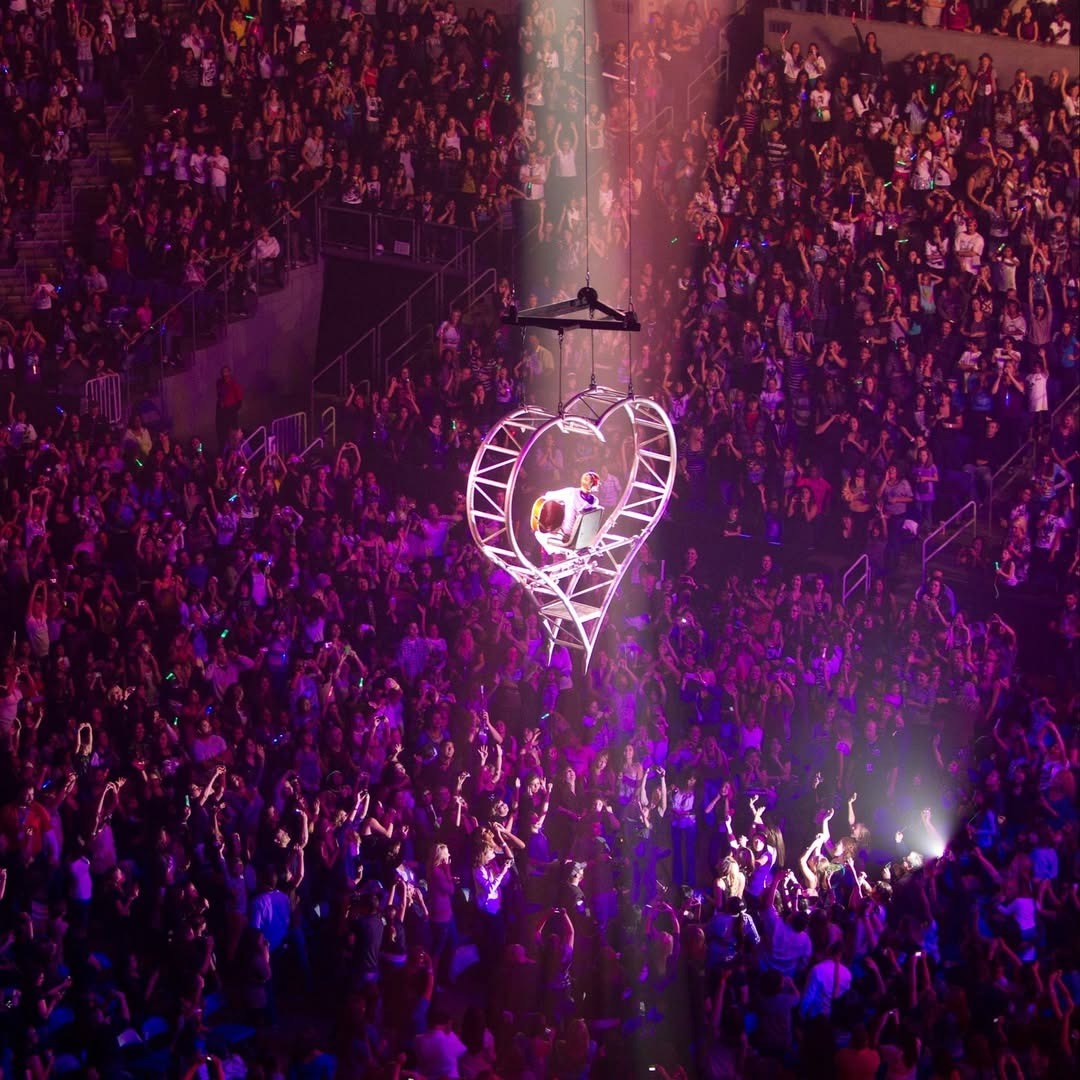
“There was a vacancy in the industry at that time for a cute, young male artist for every girl to fall in love with, and for every boy to emulate,” his vocal coach, Jan “Mama Jan” Smith, later explained. But Bieber’s success was bigger than timing alone. “It was the collision of his true talent with technology and timing.”
That collision changed pop culture permanently.
Because beneath the hair swoop and purple hoodies was a genuinely gifted artist. Producers who worked with Justin Bieber early on consistently describe him less like a manufactured teen star and more like an obsessive little music nerd. The internet just amplified his talent faster than the culture knew how to process.
What was forming around Bieber was one of the earliest modern stan ecosystems unfolding in real time. Justin Bieber represented a new kind of celebrity entirely: one built collaboratively between artist and audience in real time. His fans were forcing the music industry to pay attention. Fans organized online before the language of stan culture had fully solidified. They built fan accounts, wrote self-insert fanfiction (and #imagines! Remember those?), camped outside malls, tracked appearances, and defended him with military-grade intensity online, and essentially beta-tested stan culture as we now know it. Bieber did not simply have listeners. He had Beliebers, one of the first internet fandoms to operate at a truly global scale.
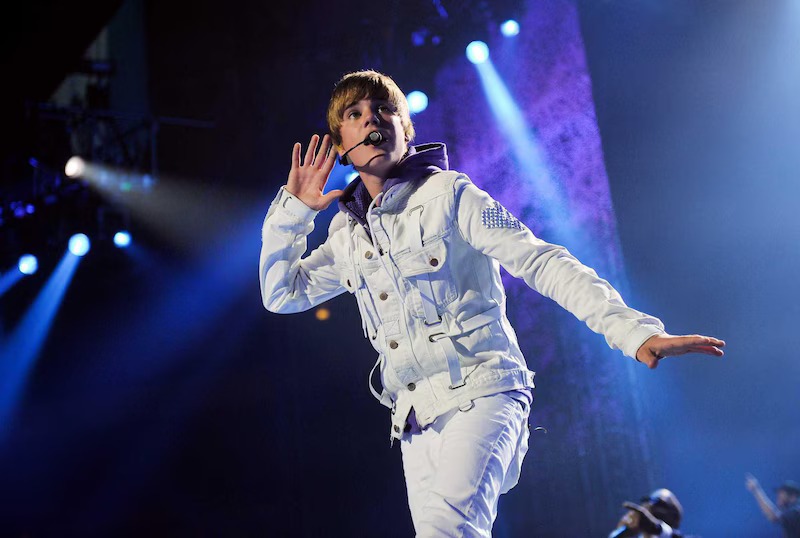
The scale of it quickly became impossible to ignore. Bieber became the first artist ever to chart seven songs from a debut release on the Billboard Hot 100. He overtook Lady Gaga as the most searched person on the internet, reportedly accounting for 3% of all global Twitter traffic at one point. By the time Justin Bieber: Never Say Never arrived in 2011, the fandom had already become too massive to dismiss. Directed by Jon M. Chu, the film did not just document a rising star; it legitimized the fandom itself. What critics often mocked as hysterical teenage obsession was actually one of the first digitally native participatory fan cultures.
And then came the backlash years - or the everyone-suddenly-pretending-they-were-too-good-for-Justin-Bieber era.
The period often framed as Bieber’s “career lows” functioned less as a downfall and more as a stress test of fandom itself. The arrests, paparazzi altercations, tabloid scrutiny, public spirals, relationship drama, and mental health struggles were treated by the media as evidence that the Bieber era had ended. But the fans never disappeared. They adapted. And if anything, that relationship only deepened.
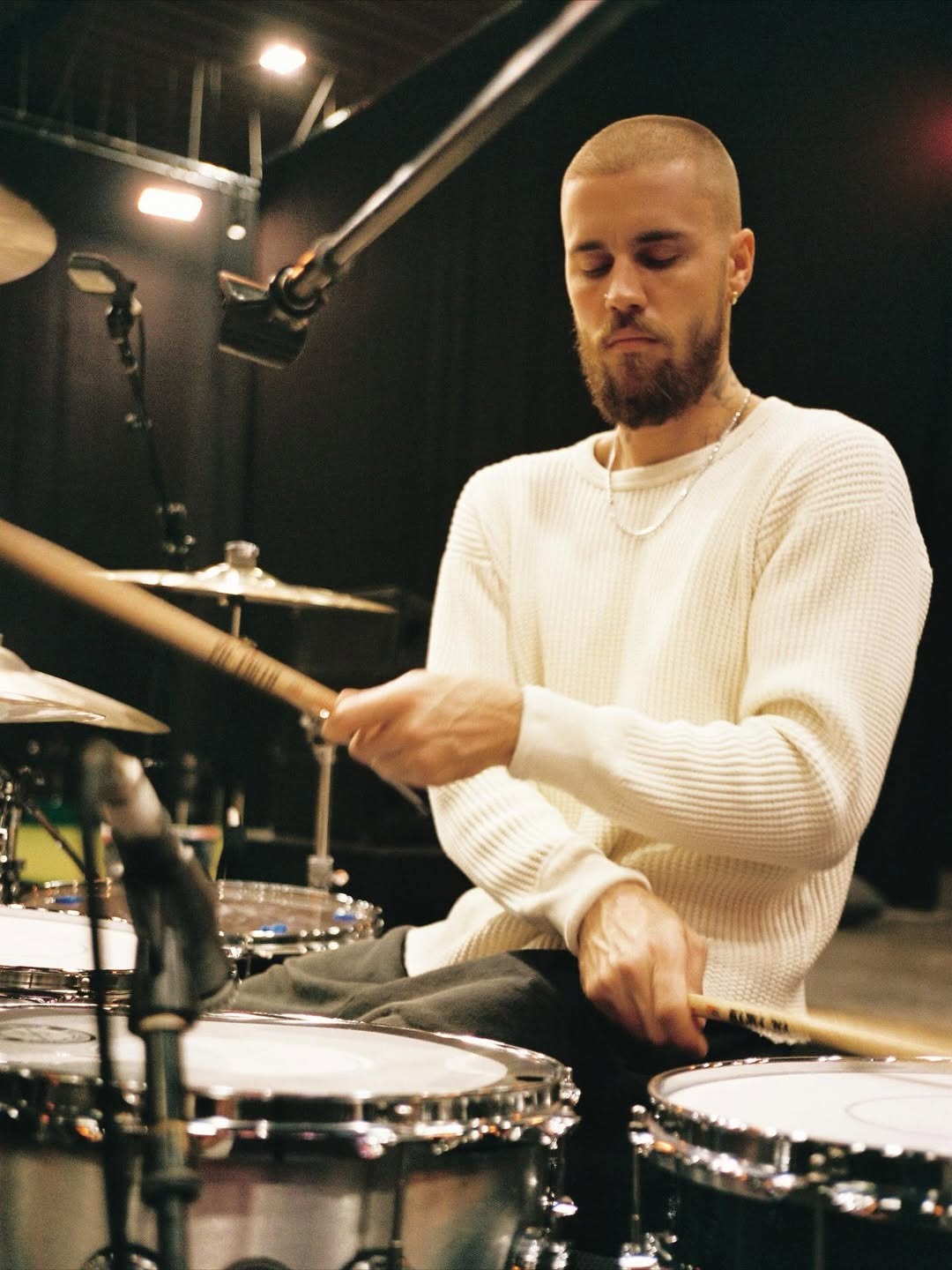
The narrative of Bieber “falling off” reveals far more about the churn of media cycles, how quickly the culture builds young stars only to dismantle them for sport. His fandom matured alongside him, evolving from reactive teenage devotion into something more durable, self-aware, and emotionally invested. Phases end. Relationships evolve.
In many ways, Bieber’s survival depended on his ability to evolve his relationship with fame itself. Unlike many stars who attempt to resist internet culture, Bieber eventually stopped resisting the internet and learned to metabolize it. When a paparazzi confrontation led to the viral “It’s not clocking to you” moment, he did not run from the memeification. He folded it into his mythology. The phrase became merch; Hailey referenced it online. Bieber later played the clip at Coachella to a crowd laughing along with him.
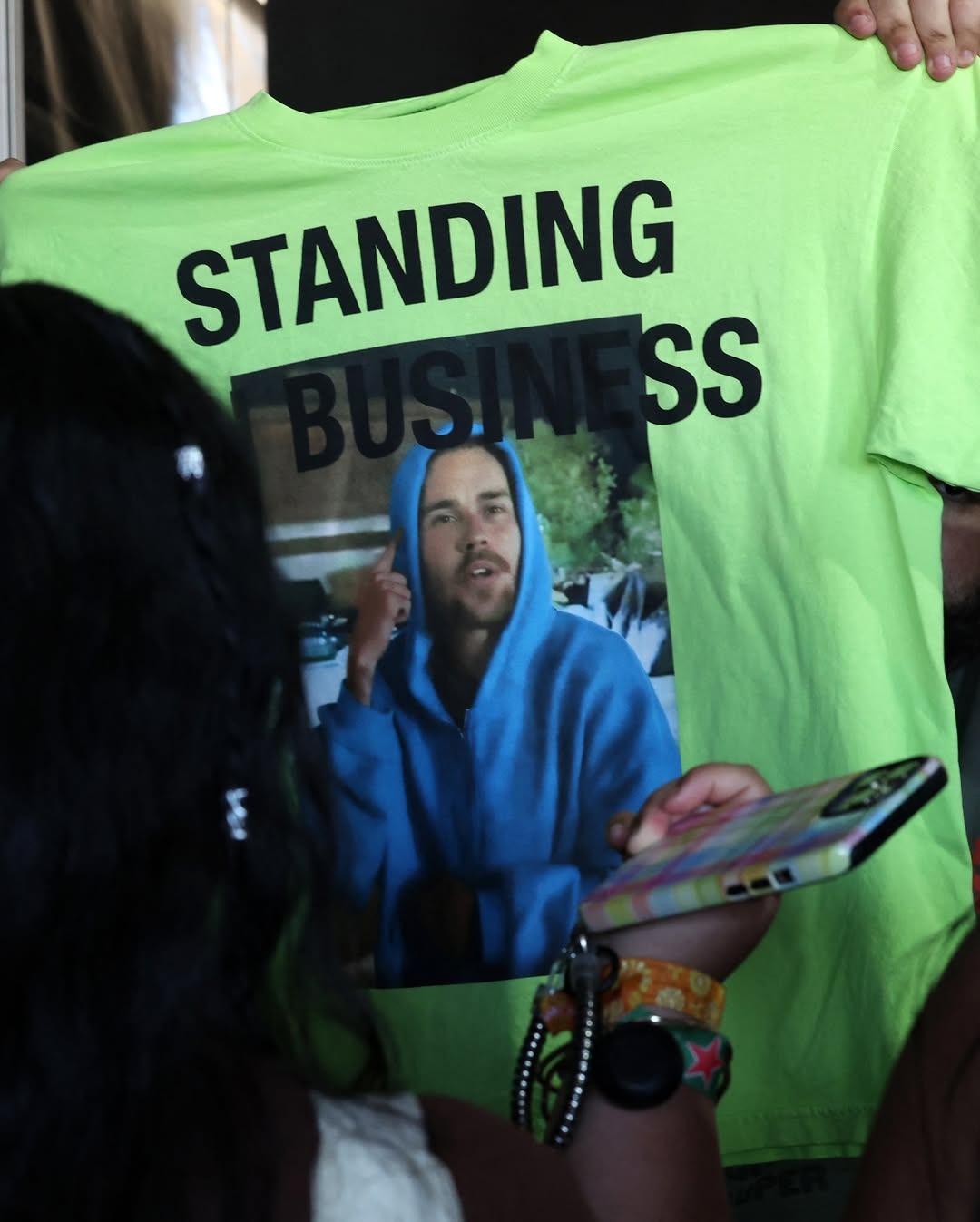
Underneath all the branding, memes, and commercial machinery, the core dynamic remains that people still feel emotionally connected to Justin Bieber. That is why Bieber Fever is incurable.
Original fans who discovered Bieber during the Kidrauhl era have now entered adulthood alongside him, while younger audiences continue discovering his music through TikTok edits, algorithmic rediscovery, memes, and cultural inheritance. Platforms changed, from YouTube to X to TikTok, but the relationship itself endured.
Bieber Fever is a blueprint for how modern fandom works: sustained, participatory, and endlessly regenerative. Fifteen years after Kidrauhl rewrote the rules of artist discovery online, the industry is still trying to recreate the conditions that made Justin Bieber possible. Labels scour social media searching for the next artist capable of generating organic intimacy at scale. But Bieber was never simply a viral success story. He is the blueprint.
There are no “former” Bieber fans, only early ones. To understand Justin Bieber is to understand why modern fandom doesn’t fade away. It only evolves.
If you enjoyed this article, sign up for our newsletter and follow us on Instagram and LinkedIn to stay up to date with Gen Admission 🎶
.jpg)
.png)
