Trend Analysis
.png)
March 19, 2026

Todd Owyoung/NBC
On November 4 2025, at his sold-out show in London, Role Model did the worst thing he could possibly do to me: he invited Niall Horan as his “Sally.”
The clip hit my phone at 5:46 PM. By 5:47 PM, I was spiraling.
Everyone in that room experienced a moment I had to consume through a shaky 5.0x video filmed by someone with better luck. The comments were vibrating with “I would’ve passed away”, and “this is the worst thing that’s ever happened to me and my mom is dead”, and there I was, very much alive and very much not there.
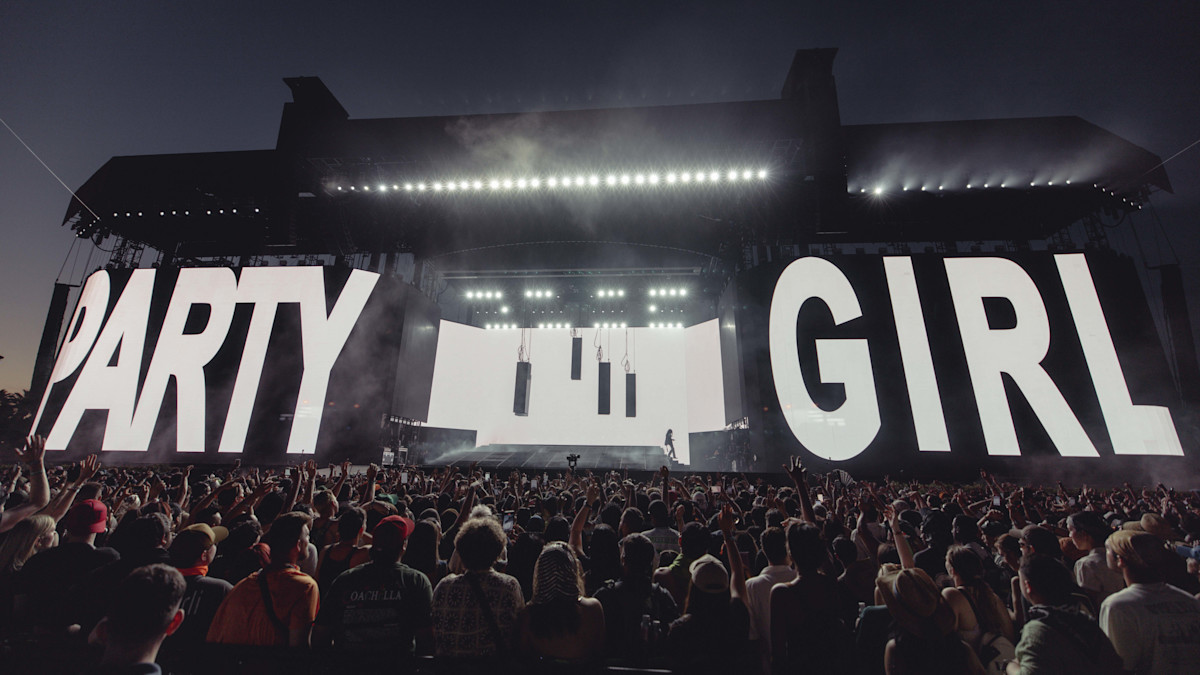
This is the new emotional economy of pop shows. We’ve officially entered the FOMO renaissance, and nothing fuels it like a surprise guest. A cameo transforms a live show into more than a performance, into a collectable cultural event, where what happens onstage is only half the value. The rest lives on your FYP, your group chat, your “I-wish-I-was-there” self-pity.
The concept itself isn’t new. Justin Bieber built an entire adolescent mythology around “One Less Lonely Girl,” pulling a fan onstage to serenade like it was a teen-movie prom scene. Those moments were engineered romantic fantasies: intimacy as spectacle, fan devotion rewarded with a temporary spotlight.
What has changed is the visibility. And expectation. Social media, especially video platforms, means these moments no longer exist only in the fleeting present. They’re recorded, reposted, re-experienced, remixed. Once you know there could be Niall Horan dancing to “Sally, When The Wine Runs Out,” or Rosé from Blackpink dancing to “Apple”, there’s no going back to just music. It becomes a matter of access.
Academic research on FOMO suggests that the feeling intensifies when experiences are socially significant, temporarily scarce, or publicly documented. Concert cameos are literally designed to hit every one of these triggers. There’s a reason tours have started to feel a little Marvel-ized: each night might produce the moment you’ve been manifesting. And if you miss it? The algorithm will remind you. Repeatedly.
The pressure isn’t just emotional; it’s literal economic pressure. As shows get more expensive, and tickets resell for double or triple face value, the promise that this night might contain something special becomes a kind of value justification. For those who go, “You got Niall Horan?!” becomes part of the return on investment.
Here’s where it gets complicated. By turning cameos into marketing moments, there’s a paradox: the more they happen, the less they feel like surprises. The more viral they become, the more they feel scripted - like a reward for the crowd that can pay a premium and show up.
And that raises some uncomfortable questions: Are these moments genuinely about rewarding fans, or about maximizing hype? Do surprise guests add to the live-show experience or substitute for deeper production investments? And, for fans like me, who watch it secondhand, does it deepen the divide between those in the room where it happens, and those stuck scrolling through highlights?
The moment surprise guests became a recurring format, fans started treating them like clues. Entire TikTok threads now exist to decode who might appear at which stop of a tour. When Sabrina Carpenter plays a festival, fans immediately start scanning the entire lineup to predict who she might arrest during “Juno” (Joe Keery, if you’re reading this you still owe New York a Juno moment). If a collaborator liked a post or landed at the same airport, screenshots circulate like conspiracy evidence. The cameo has quietly turned touring into a form of participatory speculation. The audience isn’t just reacting to moments anymore, they’re predicting them.
In this way, fandom starts to resemble sports betting or Marvel theory culture. Every city becomes a possible plot twist.
Over time, these moments accumulate into something like tour lore. Fans remember which city got which guest the same way sports fans remember iconic plays. “You got Niall” becomes shorthand for a specific night in a tour’s mythology.
But lore only works if the moments feel rare enough to matter. If every stop produces a viral cameo, the mythology risks flattening into routine. And interestingly, what used to be a spontaneous surprise has quietly become an industry category.
Last year, the iHeartRadio Music Awards introduced a new socially voted award: Favorite Tour Tradition. Suddenly, the little rituals fans obsess over were more than just viral clips, they were codified parts of the touring experience. Traditions. And when something gets a category, it usually means it’s no longer a gimmick. It’s a format.
Seen through that lens, the Marvel-ization of touring starts to look less like chaos and more like strategy. The traditions create repeatable moments that carry narrative across a tour. Each show becomes a different episode, and the internet functions as the highlight reel. Fans who attend get the thrill of exclusivity. Fans watching from home still get the dopamine of discovery. Either way, the show lives far longer than the two hours it occupies onstage.
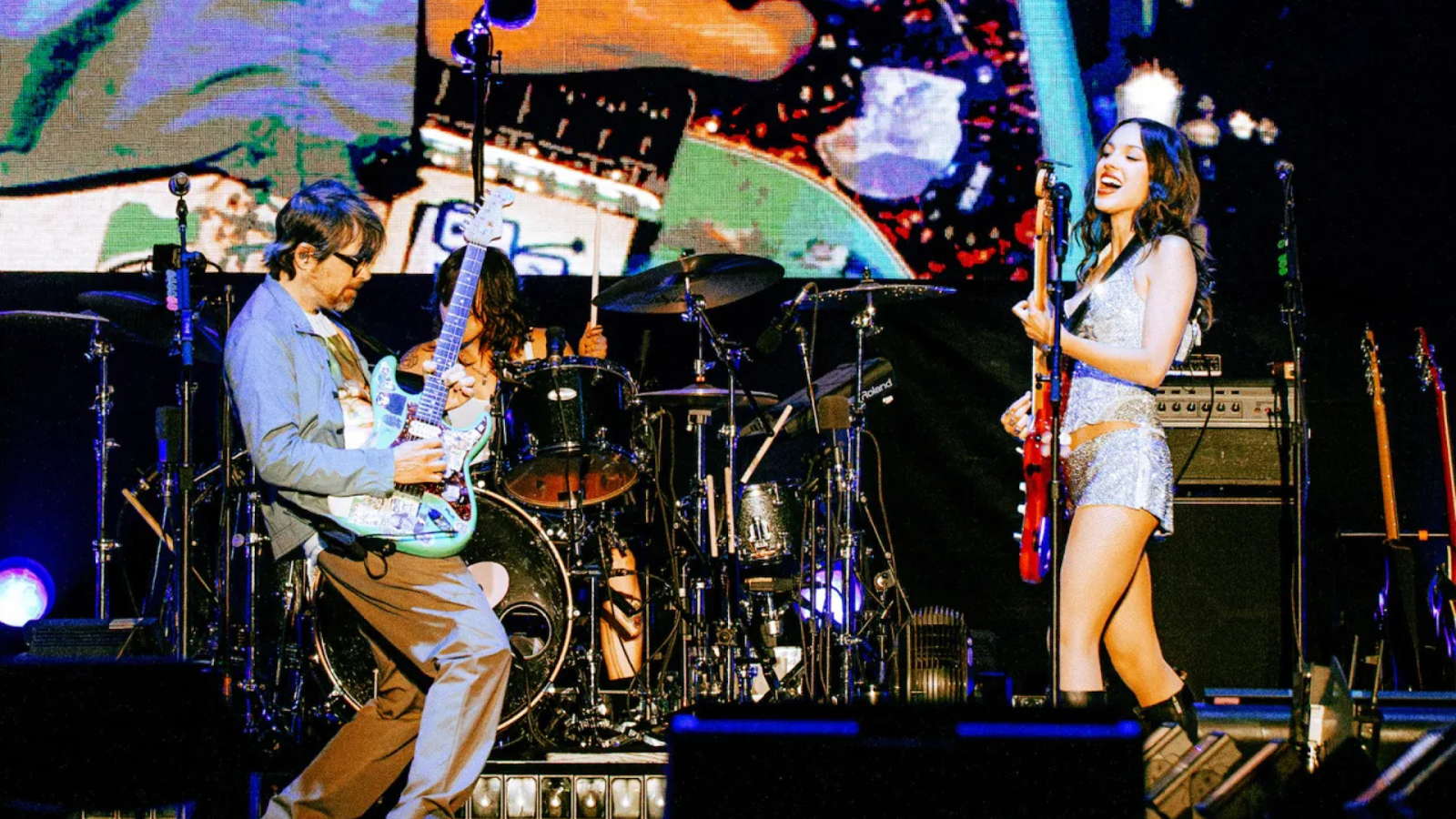
And if the industry is literally handing out awards for tour traditions now, the real question probably isn’t whether the cameo era will end.
The bigger question is whether this model is sustainable for artists themselves. Surprise guests work because they feel spontaneous, but they often require the logistics of an organized collaboration: travel schedules, rehearsals, contracts, clearance. What appears effortless onstage is often carefully engineered behind the scenes.
That’s manageable for a few nights. It’s harder when a tour spans fifty cities.
This may explain a quieter shift happening in how these traditions are designed, shifting the focus to put the fans at the center of the spectacle.
Justin Bieber (and his team) deserve their flowers. They understood early on that with OLLG the fan wasn’t just in the audience, they were briefly the main character. Newer traditions echo the same idea. Green Day pulls fans onstage to play the guitar. Tate McRae spotlights them on the crowd cam. Zara Larsson crowns a fan as the night’s honorary co-performer on “Lush Life”. The ritual becomes a form of participatory theater.
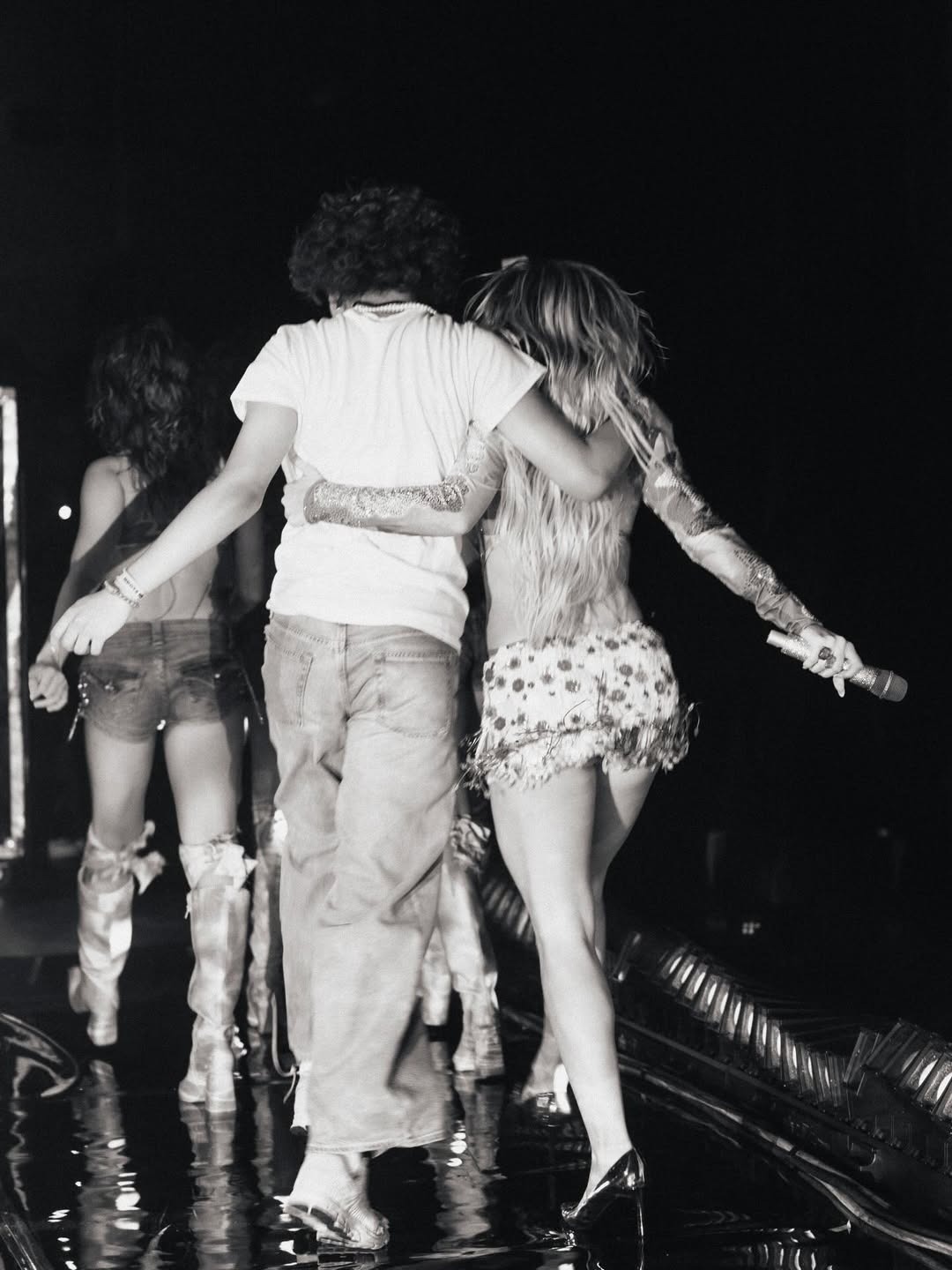
Fans benefit because the show becomes something you can participate in rather than just watch. There’s a chance, however small, that you might end up in the moment everyone talks about later, and even if you don’t, the structure of these rituals gives the crowd a shared script: the dance everyone knows, the chant everyone waits for, the moment everyone hopes might happen tonight.
Artists benefit because those rituals create loyalty. A concert stops being a static setlist and becomes a community event with its own evolving mythology. They also keep a tour culturally relevant for months or years.
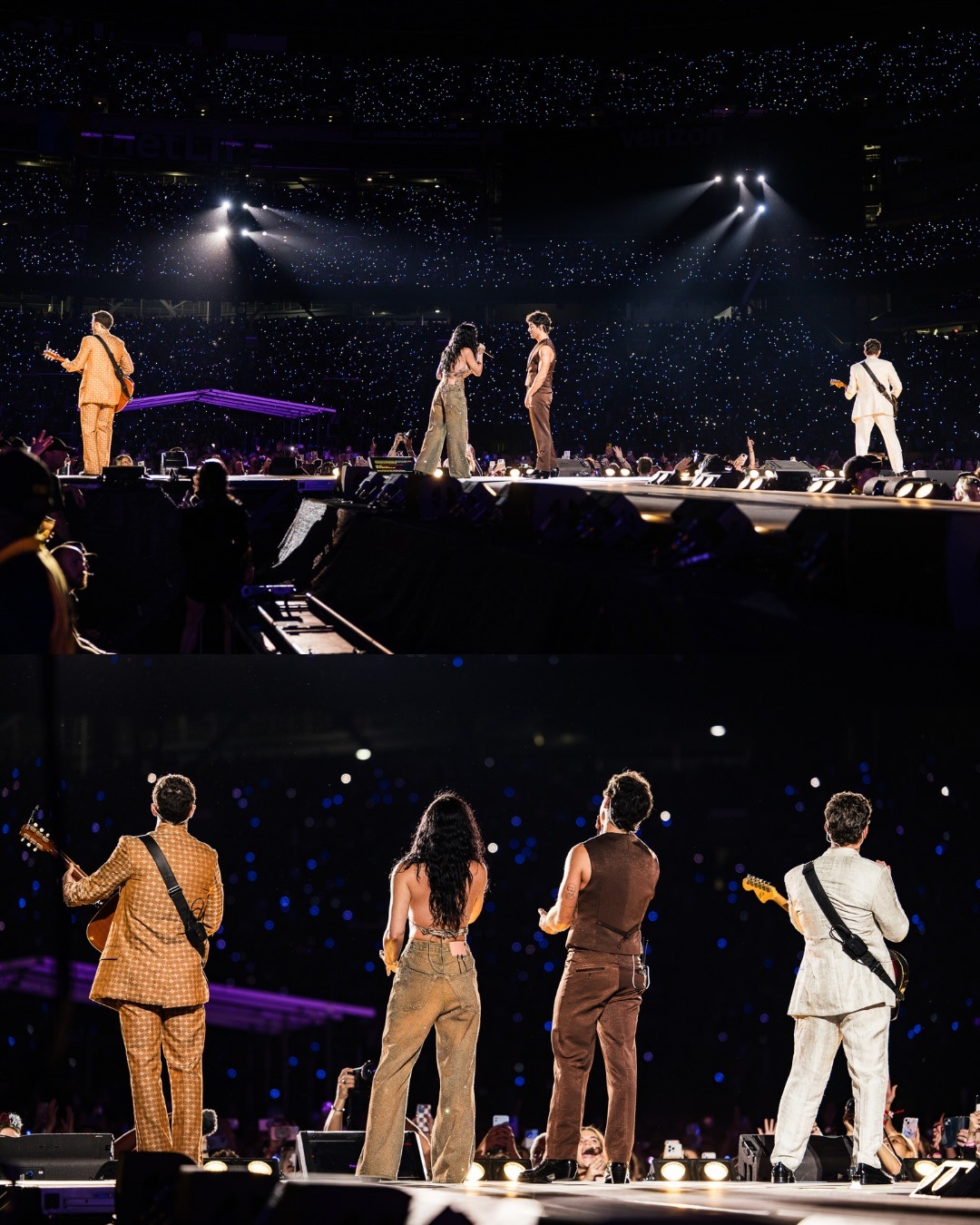
The surprise guest has evolved from an anomaly to a promise. Artists have figured out that spontaneity, even engineered spontaneity, is one of the last currencies that still works. And as long as fans continue to scream and emotionally short-circuit, the cameo will live on. Not because it’s a great marketing tactic, but because it still delivers.
If you enjoyed this article, sign up for our newsletter and follow us on Instagram and LinkedIn to stay up to date with Gen Admission 🎶