
Album Review
October 4, 2026
Chloe Chippendale via Chuff Media
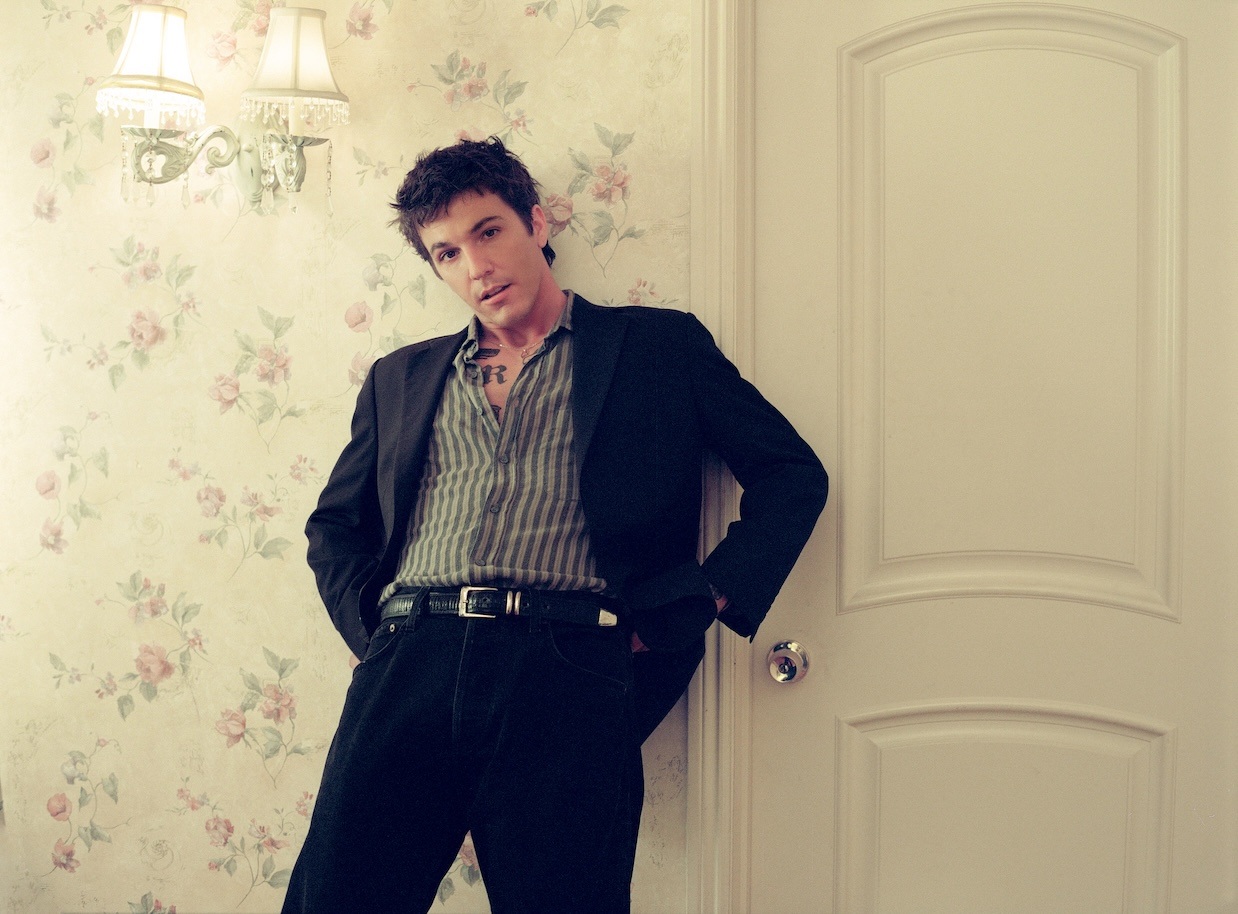
On his sophomore album, Kansas Anymore, Role Model, aka Tucker Pillsbury, is self-deprecating yet earnest and admits to being a flawed person. He calls himself a “scumbag, a setback, a stain on the kitchen floor”. But now, with his third album, Chuck Timely & The Hourglass, he seems to be recognising his own self worth, growing into a person capable of something bigger. He opens the new era with exactly this message, singing “I am deserving of something real / Something true, someday soon” on ‘Chuck’s Mantra’. The song begins with just his vocals and the faint noise of a ticking clock, before the addition of a gospel-esque choir and strings as he repeats the ‘mantra’ for a second time. It’s a perfect introduction to the album’s themes; that maybe there is a world in which he can find and build long-lasting love in time, with the choir inviting listeners to believe the same for themselves.
It is only natural that ‘High Hopes 3000’ would come as the first single and full song on the tracklist. Not only is it the most energetic on the album, following nicely on from his catchy breakthrough track ‘Sally, When The Wine Runs Out’ but lyrically it explores this idea of searching for love. At the end of the song’s chorus, he asks, “Does love come around or does one come around to it?”, a phrase which he said he’d had sitting around for a while before writing, eventually referring to the lyric as a sort of framework for the album’s themes. It’s a simple idea, but one that will resonate with anyone who has struggled to find love.
On Kansas Anymore, he began to introduce a folk-country sound to his music, and it seems that he has leant even more into it on this latest album. It is never more prevalent than on ‘Song Is All You Get’, where a blend of 12-string guitars and hand claps creates a honky tonk atmosphere. It feels authentic to the country and Americana genres with its noticeable lack of computerised sounds. He noted in an interview with Rolling Stone that he “had a rule going into the album that was like, no program drums and no synths”. While one of the album’s producers, Mason Stoops, did use a drum machine on some select songs, there are no synths to be found on this record. In the end it creates a warm, retro country feeling throughout the tracks; this song being a perfect example.
In spite of this, and with what could have been an obvious choice to move into country-pop and Americana full-time, he has noted that he tries to steer away from being boxed in. You only have to look at his wider discography to see that Pillsbury pulls from a wide range of influences, such as the bedroom pop and rap style of his earlier work. It seems he simply makes the music that resonates with him the most in the moment, instead of purposely trying to break into a specific genre.
“I was trying to ride a thin line because, as much as I wanted that acceptance from the country artists and that community, I didn’t want to be like locked off into that box”, he explained.
He keeps the energy high on ‘Love I You’, a drunken and lighthearted confession of love, featuring a charming back and forth between Pillsbury and Dakota Johnson on the song’s bridge. It looks to now become the new ‘Sally’ moment at his shows, having turned the microphone to lucky front row fans at some of his recent performances.
After an initial energetic, light-hearted run of songs, ‘Chasing Midnight’ slows the album down for the first time. The song narrates the experience of a fleeting romantic encounter that both parties know can never last long, choosing to make the most of the little time they have. He continues making nods to the country genre and way of lifestyle with lines like “Fingers in the belt loop, boots start slipping” as well as the theme of time: “Gotta make the most while the clock's still ticking”.
Speaking in multiple interviews, he has reiterated that the album’s title comes from recognising a recurring theme of ‘time’ that loops throughout the songs. He pairs this with his ‘Chuck Timely’ character who he imagines moving through decades, bringing with him different musical influences that make up all the varying sounds found on the record. He noted artists like Jackson Browne, Bruce Hornsby and Don Henley as musical influences for the album.
‘Good Thing’ carries on this slower pace as a sweet song where the narrator moves past initial hesitancy and fear in a new relationship, realising that they have found genuine connection and something worth holding onto. In the song’s final moments, Pillsbury is at his most sincere, singing, “'Cause I made a bet / The day that we met that someone gets hurt / But, to my surprise / To my surprise / To my surprise / You're a good thing”.
‘Joy’, the album’s second single may seem to bring the energy back up, but the lyrics hold a deeper meaning. Speaking to Zane Lowe for Apple Music, Pillsbury said that the song describes losing childhood innocence and personifies “joy as this person who got away”. Throughout the song, he tries to find that spark again, “looking up and down, side to side, in between”, and asking for that joy to “come a little closer”. He takes what could be a cynical and bleak look at the downsides of growing older, and, with the help of some groovy electric guitars and catchy melodies, turns it into something hopeful. Pillsbury isn’t asking us to feel sorry for him here, but accepting this feeling as a part of life and choosing to try and find joy in other places.
This tone leads well into the next song, ‘Service Receipt’. In an interview with Capital, Pillsbury revealed that it was originally a much slower track, eventually changing the melody to become more pop. While the slower version works well too, the more upbeat sound is welcomed here. Similar to the last track, it helps the meaning change from self-pitying to a more lighthearted and playful acceptance of his somewhat desperate quest for love.
‘Honeydew’ brings the tempo back down, offering an emotive, positive assurance to the listener. Whether he is talking to someone in particular, like a friend or partner, to the listener or maybe even to his younger self is unclear. But, its overall message that everything works out in the end is one that will appeal to many. While he has become more widely known for his upbeat, lighthearted songs, it is these slower, heartfelt tracks that have really drawn fans in. Songs like ‘Oh, Gemini’, ‘Something, Somehow, Someday’ from Kansas Anymore and the non-album single ‘a little more time’ have become fan favourites, likely for their earnest and emotional natures.
He shifts the tone with the next track, ‘Stain’, a slightly tongue-in-cheek, foot-tapping song about unexpectedly hearing from someone you’ve already moved on from. It has caused a fair amount of discussion online, with people theorising about who or what he is referring to as a ‘stain’. It is unfortunately one of the downsides of being in the public eye, having people guess what a song may be about, and subsequently cling to those theories with sparse evidence, spreading it as gospel or ‘lore’, as the internet would more affectionately call it. Clearly he somewhat anticipated this reaction, mentioning in his interview with Zane Lowe that he was “curious how people will take that one”. Lowe was very quick to guess that it wouldn’t be played live and Pillsbury sheepishly admitted that yes, it might not be a permanent feature on his setlists. Fans were quick to rally online and jokingly spread the message of ‘Justice for Stain’, which seems to have worked in their favour, as the song has made its way to the live shows since the tour began this September.
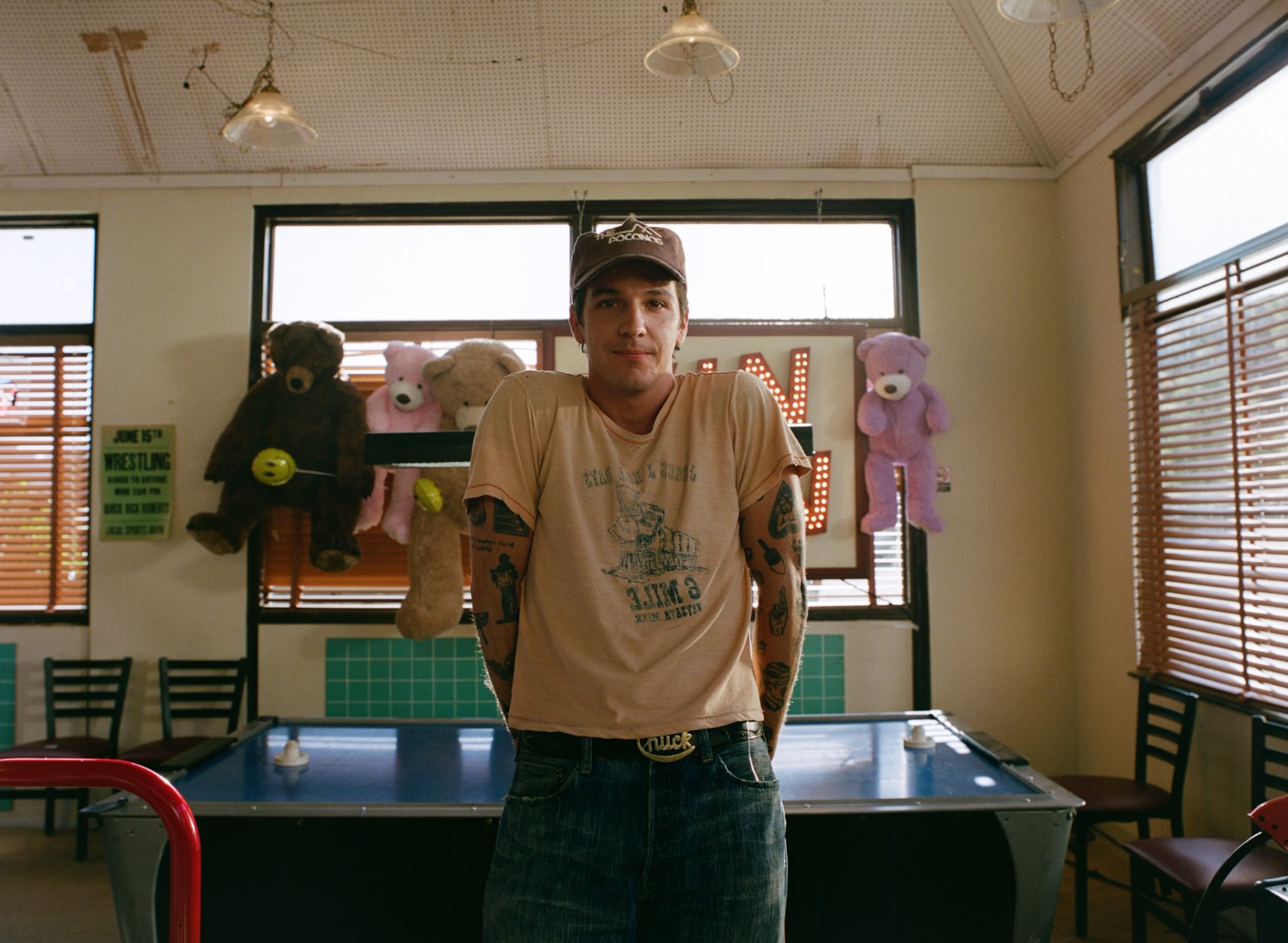
Returning to the soft sound that he excels at, on ‘The Wedding’ Pillsbury comes to the realisation that, despite what he may have always believed, he could see himself getting married after all. He says that this came from a real life experience of attending a wedding for the first time as an adult, not expecting to enjoy it, and coming away deeply moved by the event. It is a beautiful track that serves as one of the most vulnerable moments on the album and a clear standout of his wider discography.
Going out on a hopeful note, Pillsbury comes full circle on ‘Harmony’, finally finding some of that love that he has been searching for. In the song's final moments, he sings “Maybe this is what love looks like / It took forever, but now I see / It's harmony”. The song has already gained its own little dance moves thanks to fans copying and adapting one of Pillsbury’s TikTok videos to the song, and encouraging others to learn it for the live shows. It is sure to be a memorable part of the tour, turning an already positive and optimistic song into something even more special for the whole audience.
With Chuck Timely & The Hourglass, Role Model pairs a retro aesthetic and sound with sweet and honest lyrics that remind us why he has created such a dedicated fanbase. After spending the previous album reflecting on past mistakes, he seems ready for the next phase of his life, and his developing sound reflects this change, carrying a positive and hopeful energy.


.png)